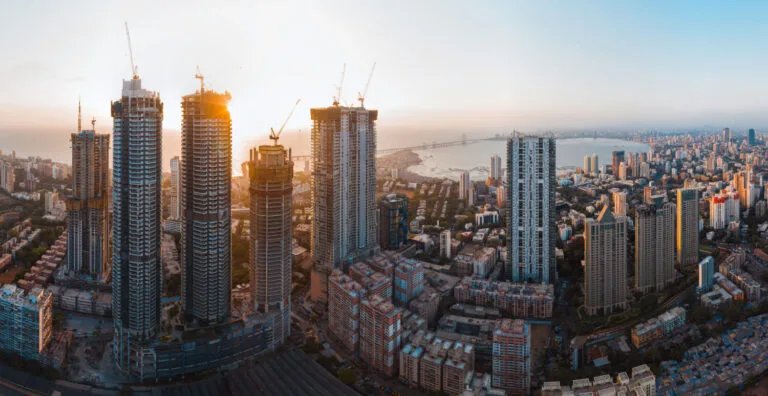
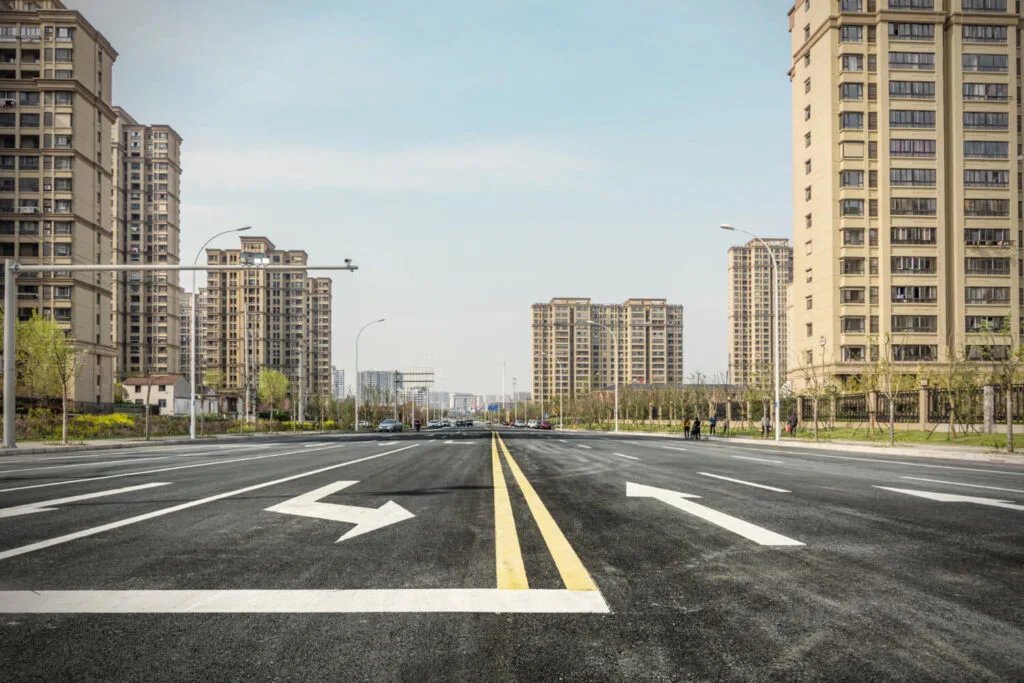
In real estate, location has always been the golden rule. That’s the first criterion for each buyer. But today, location isn’t just about where you want to buy property. It’s a list of other considerations that come along with it. Road connectivity has become the backbone of residential real estate infrastructure, directly influencing how buyers evaluate convenience, livability, and long-term returns.
As cities expand and daily commutes grow longer, well-developed road networks are reshaping buyer decisions. From reduced travel time to improved access to social infrastructure, better roads are increasingly associated with rising residential property values. In many markets, infrastructure-led property growth is not just a trend; it is the primary driver of growth.
Understanding Road Connectivity in Real Estate
What does road connectivity mean?
Road connectivity refers to how efficiently a residential property links to major highways, arterial roads, commercial hubs, schools, hospitals, and public transport networks. It includes both internal road planning within a township and external connectivity to citywide transport systems.
Why connectivity matters more today than ever
Urban lifestyles demand speed and efficiency, laced with hybrid work models, flexible schedules, and growing suburban living, buyers expect smooth mobility. Especially, long, unpredictable commutes reduce quality of life. Strong highway connectivity in real estate projects gives residents access to multiple routes, minimising travel stress and improving daily convenience.
Road connectivity vs distance
Distance is no longer the sole metric. A home 20 kilometres from the city centre may offer a shorter commute than a property 8 kilometres away if it has direct expressway access. Connectivity often outweighs physical proximity, redefining what buyers consider “well located” in the current sense.
How Road Connectivity Impacts Residential Property Value
Reduced commute time increases buyer demand
Time saved on daily travel translates into higher buyer demand. Areas with smooth access to business districts and IT corridors consistently command stronger interest. This demand directly pushes up property prices in connected neighbourhoods and the adjacent areas.
Improved accessibility boosts livability
Well-connected areas provide easier access to schools, healthcare facilities, retail centres, and entertainment zones. Improved accessibility enhances everyday living, making such locations more desirable for families.
Higher rental demand near well-connected zones
Rental markets respond quickly to infrastructure upgrades. Professionals and students prefer homes with seamless road connectivity. As a result, rental yields improve in well-connected corridors, making them attractive to investors.
Faster appreciation in connected corridors
Property price impact from roads is often visible within a few years of infrastructure upgrades. Once a new highway or bypass becomes operational, appreciation rates tend to accelerate compared to poorly connected zones.
Types of Road Infrastructure That Drive Property Prices
National highways and expressways
High-speed corridors dramatically reduce travel time between cities and major employment hubs. Residential projects located near expressways often experience rapid price growth due to increased accessibility.
Ring roads and bypass roads
Ring roads redistribute traffic and reduce congestion in city centres. Peripheral areas connected to ring roads often transform into residential hotspots, leading to infrastructure-led property growth.
Flyovers and underpasses
Even smaller infrastructure interventions, such as flyovers and underpasses, can significantly reduce bottlenecks. Improved traffic flow enhances the attractiveness of nearby residential zones.
Upcoming road projects
Planned infrastructure projects often influence speculative buying. Investors closely track government road development announcements because early investments near proposed routes can generate substantial long-term gains.
Road Connectivity and Urban Expansion
Development of new residential corridors
New highways and arterial roads open up previously inaccessible land. Developers launch integrated townships along these corridors, gradually forming new residential belts.
Rise of suburban and peripheral housing
As urban cores become saturated and expensive, suburban areas gain momentum. Strong road connectivity makes peripheral housing viable for working professionals, boosting residential property value in these emerging zones.
Transformation of underdeveloped areas
Rural or semi-urban regions often witness dramatic transformation once connected to major road networks. Commercial activity follows infrastructure, further strengthening real estate demand.
Impact on Homebuyers and Investors
Homebuyers prioritize convenience
Modern homebuyers prioritise smooth daily travel over symbolic central addresses. Reliable road networks reduce stress, save fuel costs, and improve work-life balance.
Investors look for infrastructure-driven appreciation
Investors analyse road connectivity as a core parameter. Properties near upcoming infrastructure projects often deliver higher returns than stagnant locations.
Better resale potential
Well-connected properties typically attract a broader buyer pool during resale. This improves liquidity and reduces the time required to close transactions.
Real-World Examples of Road Connectivity Boosting Property Value
Across India, the impact of expressways and ring roads is evident.
- The launch of major expressways in cities like Pune and Bengaluru has led to sharp price increases in nearby residential corridors.
- Peripheral areas connected by ring roads have witnessed rapid demand from first-time buyers seeking affordability with accessibility.
- Rental markets near newly connected IT hubs have experienced noticeable growth as professionals prioritise commute efficiency.
These examples highlight how residential real estate infrastructure can reshape entire micro-markets within a few years.
Challenges and Considerations
Noise and pollution near major roads: While proximity to highways improves access, properties directly adjacent to high-traffic roads may face noise and air pollution concerns.
Importance of internal road planning: External connectivity must be complemented by well-designed internal roads within residential communities to ensure smooth movement and safety.
Balancing accessibility with peaceful living: Buyers should look for projects that offer quick highway access without being directly exposed to heavy traffic. Buffer zones and green spaces play an important role in maintaining livability.
How Buyers Can Evaluate Road Connectivity Before Investing
Here are a few pointers to remember:
- Review both current and proposed road projects in the area.
- Test peak-hour commute times rather than relying on distance estimates.
- Assess integration with public transport systems.
- Study historical price appreciation in connected corridors to understand long-term trends.
Careful evaluation helps buyers make informed decisions rather than relying solely on marketing claims.
Future Outlook
Infrastructure-led property growth is expected to continue shaping residential markets. With smart city initiatives and integrated transport planning, road networks will play a central role in defining next-generation residential hubs. As governments prioritise connectivity upgrades, real estate markets are likely to expand along newly developed corridors.
Road connectivity is no longer an added advantage; it is a primary value driver in residential real estate. Better roads lead to improved accessibility, higher buyer demand, stronger rental performance, and faster appreciation.
Planning to buy or invest? Choose residential properties with strong road connectivity to secure long-term value and better returns.
FAQs
Does road connectivity really affect property prices?
Yes, improved connectivity increases demand, which directly influences price growth.
Are homes near highways a good investment?
They can be, provided buyers evaluate noise levels and project planning carefully.
How do upcoming road projects impact real estate value?
Planned infrastructure often triggers early investment and future appreciation.
Is road connectivity more important than proximity to the city center?
In many cases, strong connectivity can outweigh physical proximity.
What should buyers check before investing near major roads?
Commute times, future infrastructure plans, traffic patterns, and environmental impact should all be assessed.